
Reading
Elder
Darling Associates Architects
Procurement
Manhire Associates
Lamorbey
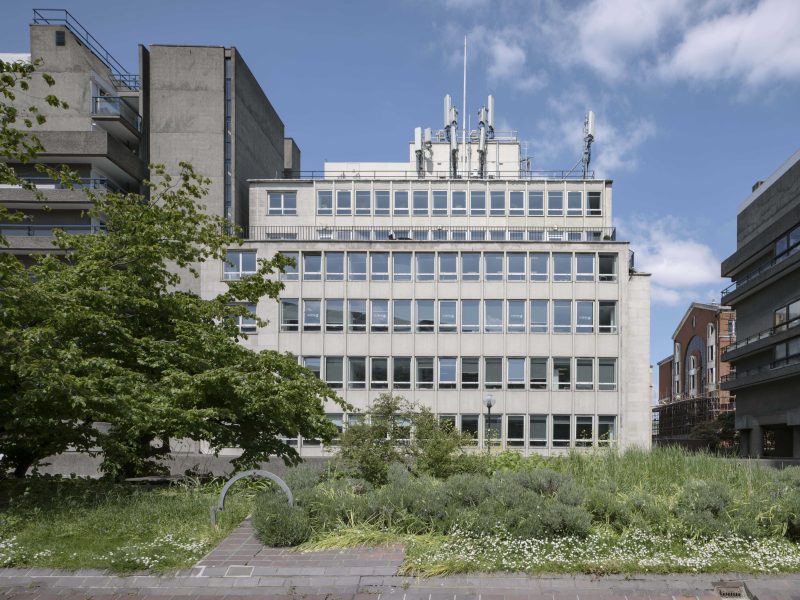
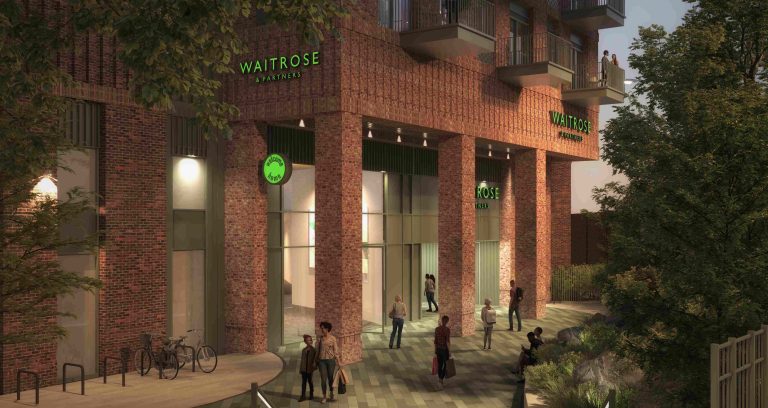
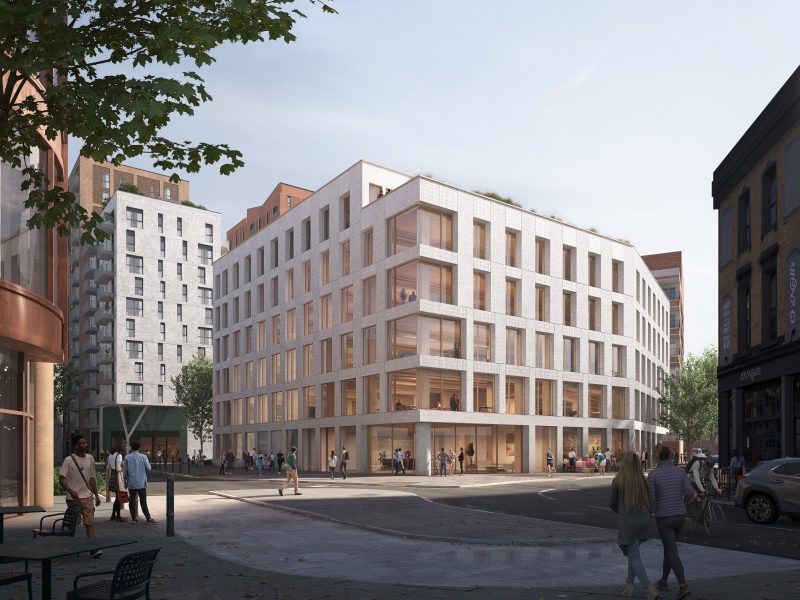
Located in the heart of Reading, The Highline (formerly Greyfriars House) is a groundbreaking development by Elder, reimagining urban living with the town’s first co-living space. The 13 storey building, positioned near the train station, will transform a vacant office block into 266 co-living units, combining market-rate and affordable housing options. The project not only meets the growing demand for high-quality, accessible urban spaces but also fosters meaningful community connections, helping to regenerate Reading’s town centre.
co-living units
storeys
sqm dedicated to amenity areas
We will play a key role in bringing The Highline to life, ensuring the project aligns with both financial and design goals. From early-stage feasibility studies to the final construction phase, we will work closely with the design team to ensure the project maximises the site’s potential. The development will involve the demolition of the existing office building, to create a modern co-living space. Site logistics will be carefully planned to ensure minimal disruption, with easy access to the train station, which is just a short walk away. The building will step elegantly within the local context, providing a range of spaces that will nurture a sense of community, such as a gym, co-working areas, and private event spaces. We will also ensure financial feasibility by managing budgets, forecasting costs, and mitigating risks to guarantee the project’s success.


The development will offer 266 co-living units (243 standard and 23 larger, accessible), high-quality amenity spaces like a gym, co-working space, rooftop garden, and terraces. The environmentally conscious design will integrate solar panels, heat pumps, and a biodiverse roof, contributing to sustainability and the local economy.
The Highline will aspire to deliver substantial environmental, economic, and social benefits. The building will feature energy-efficient solutions, aiming for an excellent BREEAM rating and achieving a 10% biodiversity net gain through initiatives like green roofs and the planting of fruit trees. Economically, the development will create job opportunities and stimulate the local economy, while the flexible co-living spaces and community-focused design will contribute to a thriving, engaged neighbourhood.